
My journey in photography started on film. While studying art and photography at college, I shot almost exclusively analogue. The everyday camera was the Nikon F3—reliable 35mm, mechanical, unforgiving in the best way. But the one everyone fought over was the Hasselblad 500C. It lived in the cupboard like a sacred object: medium format, square frame, built to last. Tutors reserved it for project work or their own use, so getting my hands on it felt special. I can still hear the deep, satisfying clunk of that leaf shutter closing—the sound echoed in the darkroom and has stayed with me ever since.
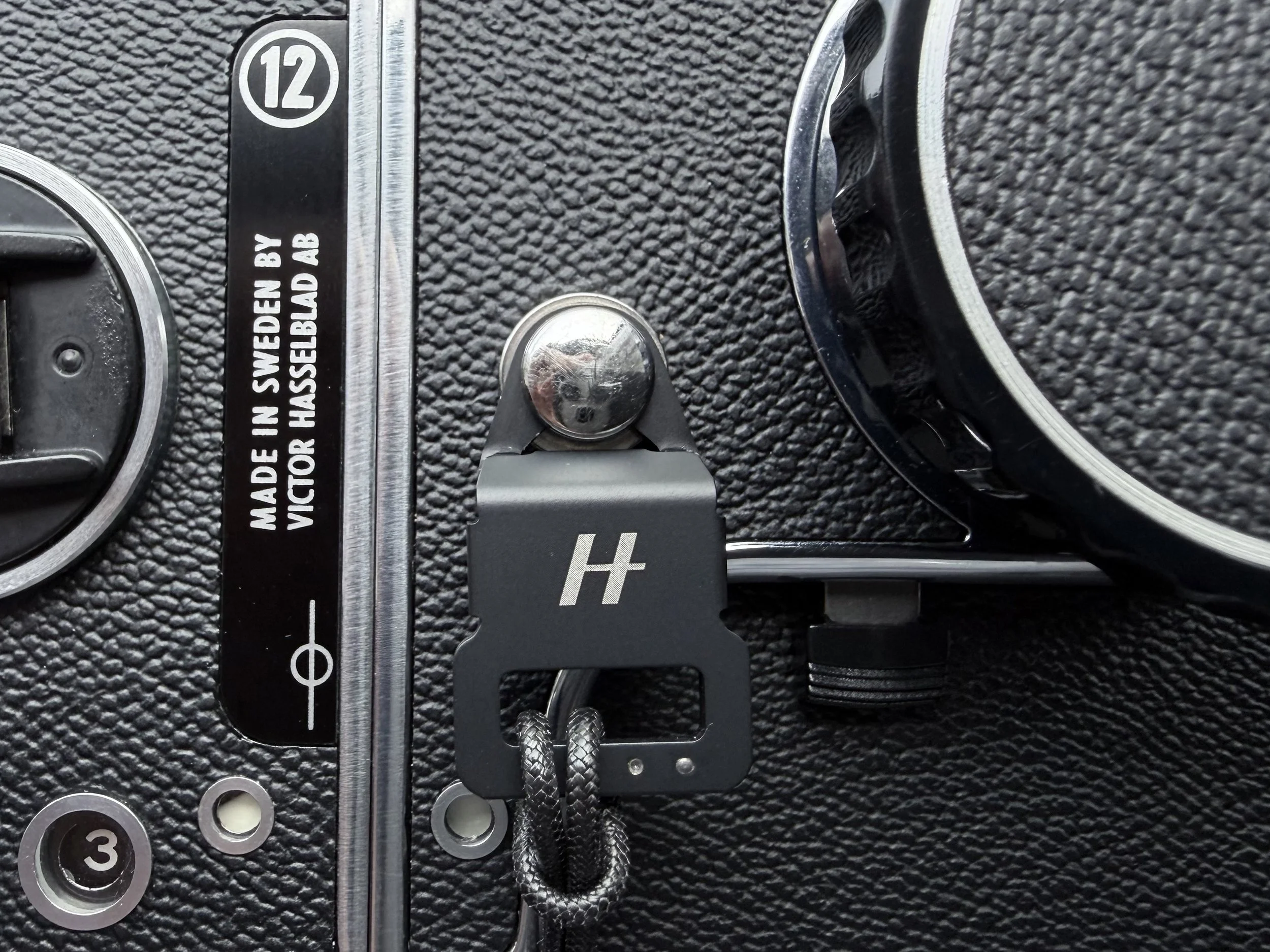
Hasselblad 500CM
Fast-forward to the digital era. For years, full-frame (especially my Nikon Z-series) was my main tool. Early work focused on long-exposure minimalism: smoothed seas, stark compositions, clean gradients of mist and sky. Full-frame excelled here—superb low-light handling, dynamic range, and speed for coastal and woodland sessions. But as my style shifted from stark minimalism to deeper atmospheric storytelling—immersive foggy woodlands on Dartmoor, ancient oaks shrouded in mist, dramatic seascapes with ethereal movement—I began craving something less clinical. Full-frame could feel “too perfect”: overly sharp edges, abrupt tonal shifts, a subtle digital sterility that reminded me more of processing than organic capture.
That’s why I’ve transitioned to medium format, both digitally and—most importantly—back to analogue with a Hasselblad 500C/M.
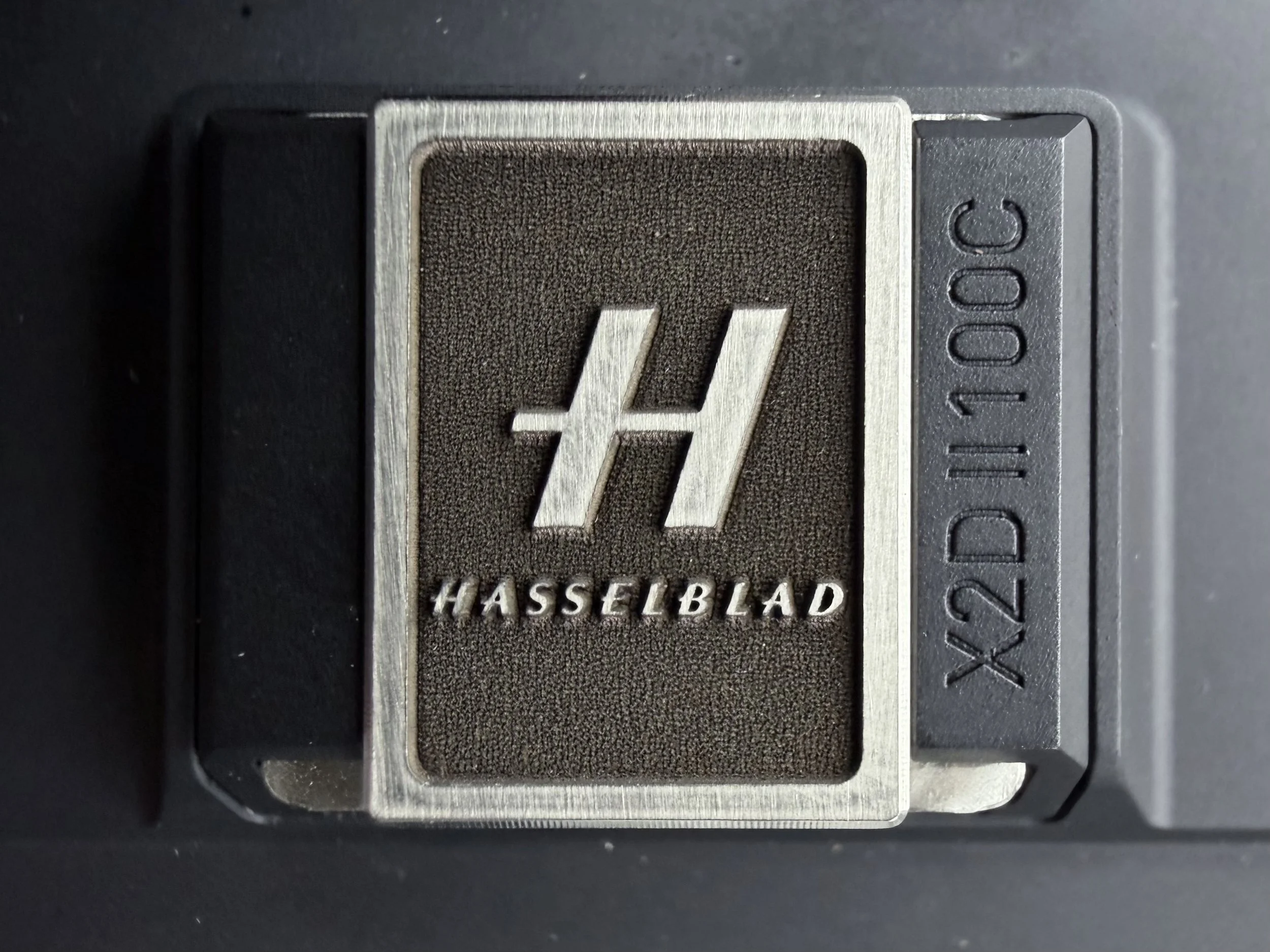
I’ve only used the Hasselblad X2D II once so far, but I was extremely impressed. The larger sensor delivers smoother tonal transitions, richer colour depth, and that signature “3D pop” that makes images feel more alive. Medium format inherently offers advantages over full frame for cinematic results:
Smoother gradients and tonal fall-off in fog, mist, skies, and shadows—no banding or harsh posterization; everything blends naturally.
Shallower effective depth of field for creamier separation and dreamy bokeh, enhancing subject isolation in a filmic way.
Superior dynamic range and colour depth (14–16-bit files) that preserve nuance in highlights and shadows, with a less “digital” noise signature.
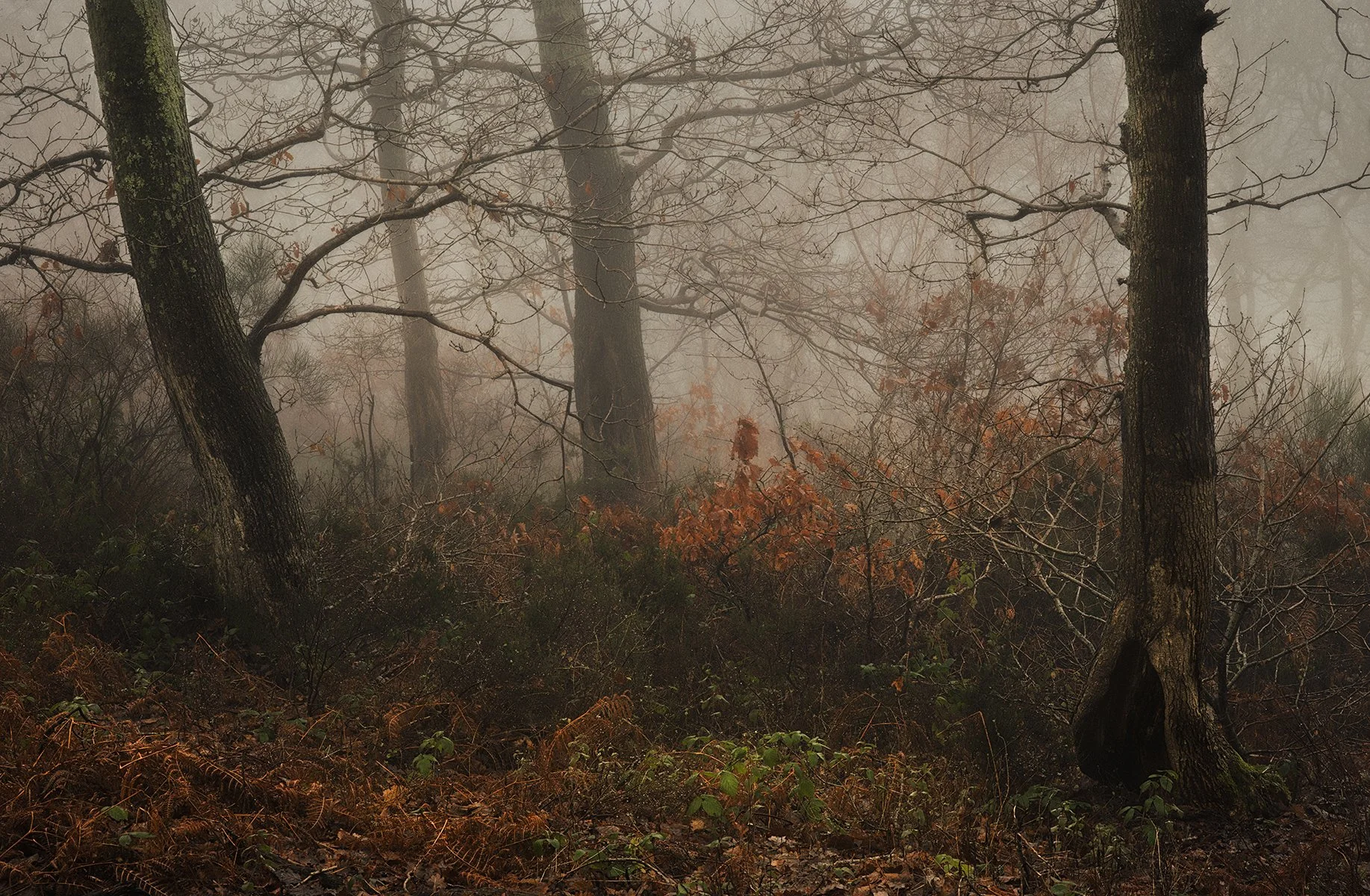
One of my first images with the X2DII
Hasselblad X2DII is a beautifully crafted camera
Hasselblad’s Natural Colour Solution (HNCS) is a standout. Even though my final edits are heavily stylised and non-documentary—pushing mood, contrast, and desaturation—I still need a trustworthy starting point. HNCS gives accurate, film-emulating greens in woodlands, subtle blues in seascapes. It lets me build creative intent from solid data instead of fighting artifacts.
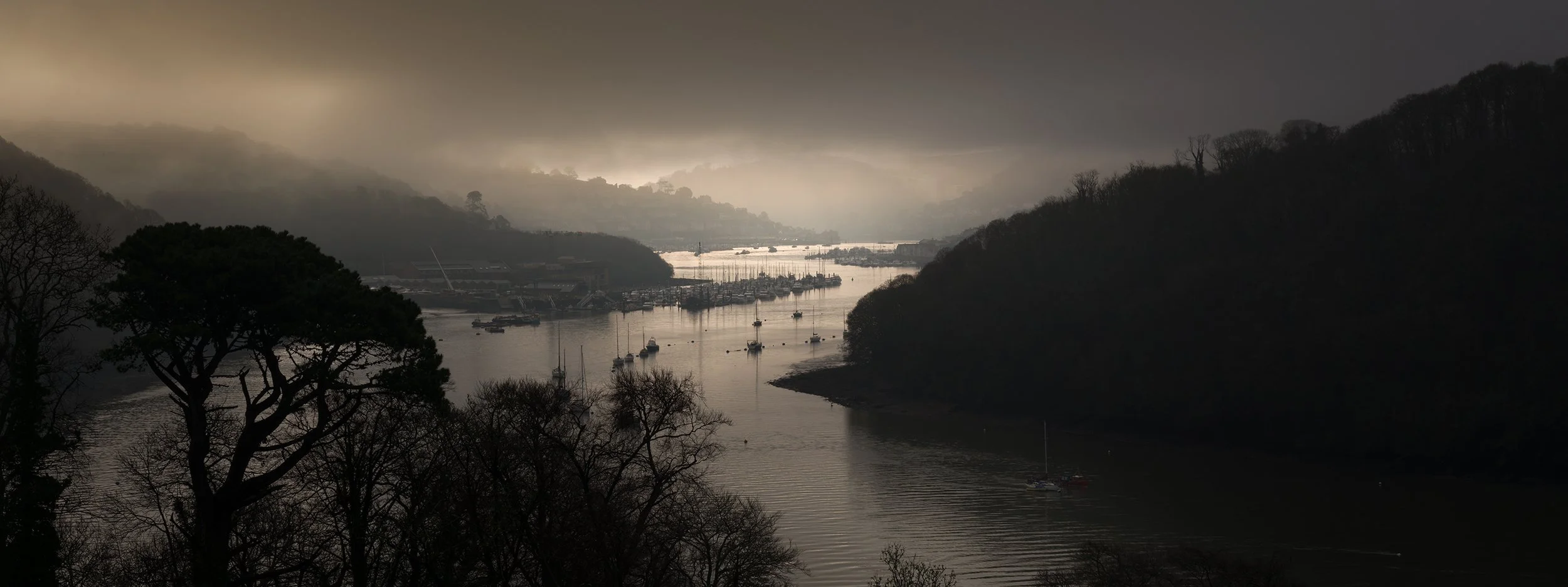
Xpan image from my first shoot with the Hasselblad X2DII
The real homecoming is the Hasselblad 500C/M. Shooting 120 film (6×6 square) reintroduces the intentionality I first felt at college: fewer frames, slower pace, the anticipation of waiting for scans. Grain, halation, and subtle imperfections add character that digital often smooths away—perfect for the cinematic, less “perfect” aesthetic I’m chasing.
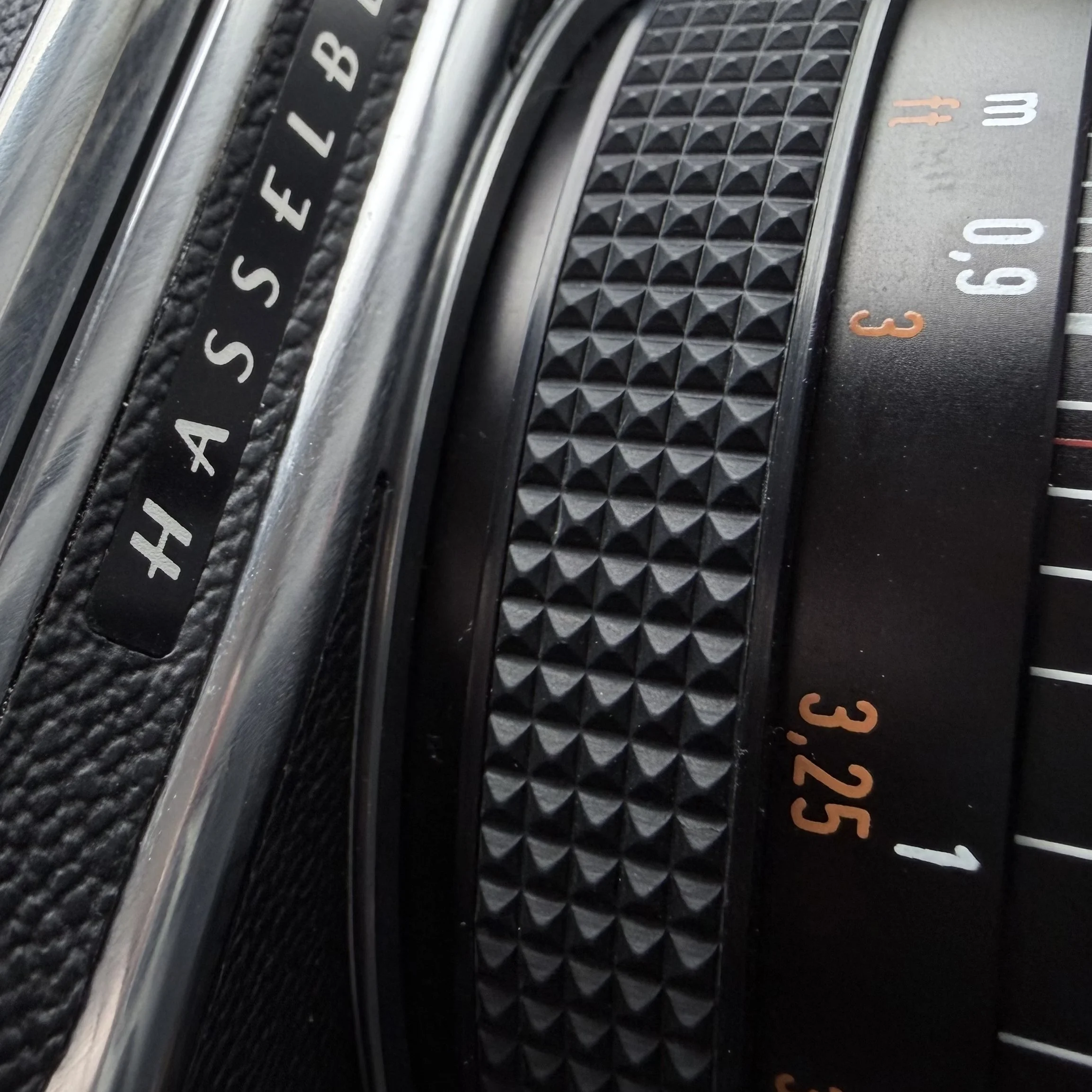
500CM and 80mm 2.8 lens combo
I’ve jumped in fully to Hasselblad and will be converting an X1D III body to full spectrum (removing the IR filter for infrared capabilities) once I’ve sold off my remaining Nikon equipment. This opens up even more creative possibilities for ethereal, otherworldly effects in my atmospheric scenes.
I’m currently shooting my first test roll: Kodak Gold 200—warm tones that should suit the soft light and foliage in my atmospheric scenes. I’ve also purchased the Valoi Easy 120, so I’m looking forward to home scanning and seeing how the results translate digitally. On top of that, I’ve agreed a collaboration with Nons for their Instax back—excited to experiment with instant medium-format prints and see how that adds another layer.
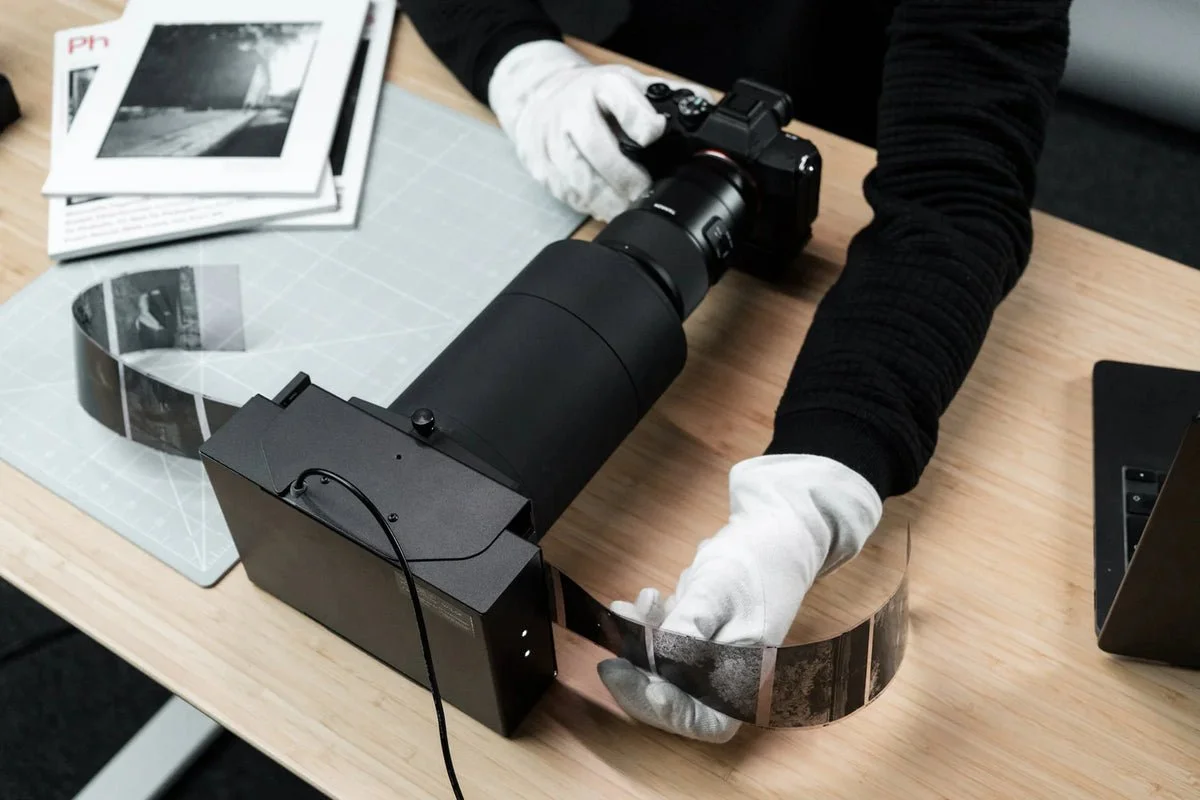
Valoi Easy 120
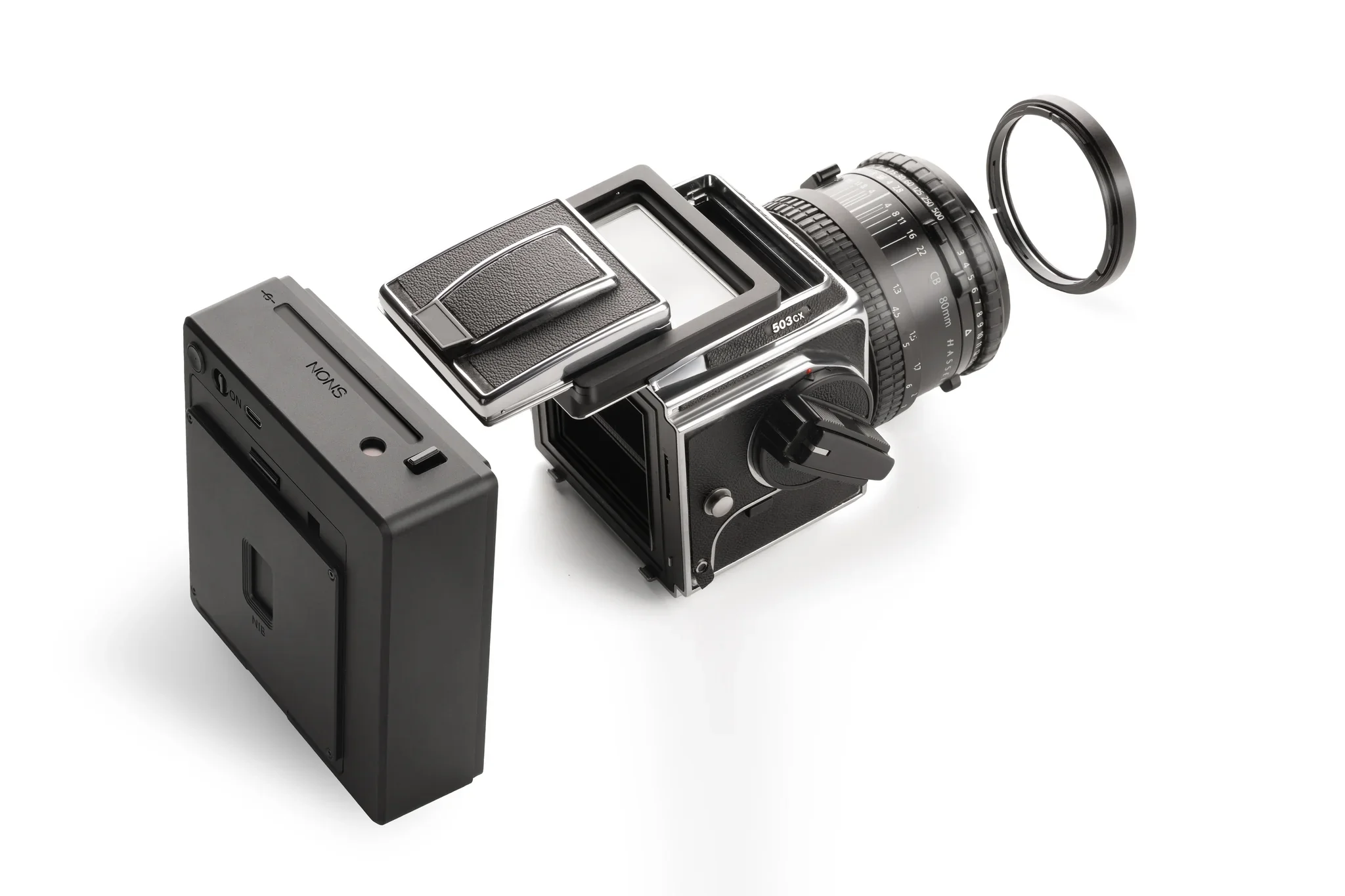
Nons Instant Back HP1
This won’t be rushed. I’ve never shot daily or even weekly; I prefer to pick my moments, wait for the right light, mood, and conditions. The new work will sit comfortably alongside my existing style—still atmospheric woodland and seascape focused, but with added depth and a more cinematic, otherworldly feel.
I’m inspired by photographers like Bruce Percy, who shoots on a Hasselblad 500CM, scans his film, and processes digitally. His final images have that minimalistic, otherworldly quality—quiet, ethereal landscapes that don’t feel digital even though they end up in digital form. The hybrid approach (film capture for soul, digital workflow for refinement) resonates deeply with where I’m heading.
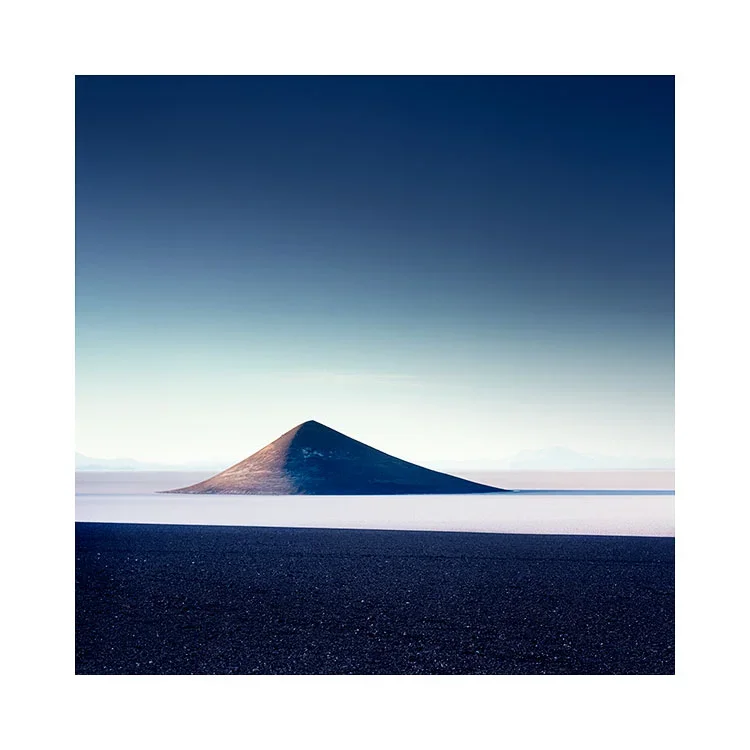
The unmistakable work of Bruce Percy
This post lays the foundation. Future entries will dive into test rolls, scanning workflows, home setup with Valoi, the Nons Instax back experiments, comparisons (film vs digital), full-spectrum conversions, and the evolving projects. It’s all about slow, deliberate creation—letting the work breathe.
If you’ve returned to film, gone hybrid, or chased that cinematic depth, I’d love your thoughts below.
— Neil Burnell
January 2026