Exploring the Ethereal World of Infrared Photography

As a landscape photographer, I’ve always been drawn to the beauty of the natural world, capturing scenes that evoke emotion and tell a story through light, colour, and composition. But a few years ago, I discovered a whole new dimension to my craft: infrared photography. This technique doesn’t just expand your toolkit - it adds an entirely new creative process to your photography skills. Infrared (IR) light, invisible to the human eye, allows you to see the world in a surreal, otherworldly way. Foliage glows bright white or vibrant pink, skies turn deep and dramatic, and water often appears inky and mysterious. It’s like peeling back a layer of reality to reveal a hidden spectrum, forcing you to rethink composition, exposure, and post-processing in ways that reinvigorate your artistic vision.

What makes IR photography so transformative is how it challenges the conventions of visible light shooting. In standard photography, you’re bound by the colors and contrasts we see every day. With IR, you’re working with wavelengths beyond the visible spectrum, which means experimenting with how different materials reflect or absorb IR light. Chlorophyll in plants, for instance, reflects IR strongly, creating those iconic “glowing” trees, while blue skies absorb it, leading to dramatic contrasts. This isn’t just a filter effect - it’s a fundamental shift that encourages creativity, from scouting locations that “pop” in IR to mastering custom white balances and channel swaps in editing. For me, it’s been a game-changer, adding depth to my portfolio and pushing me to explore familiar landscapes - like the misty moors of Dartmoor - with fresh eyes.

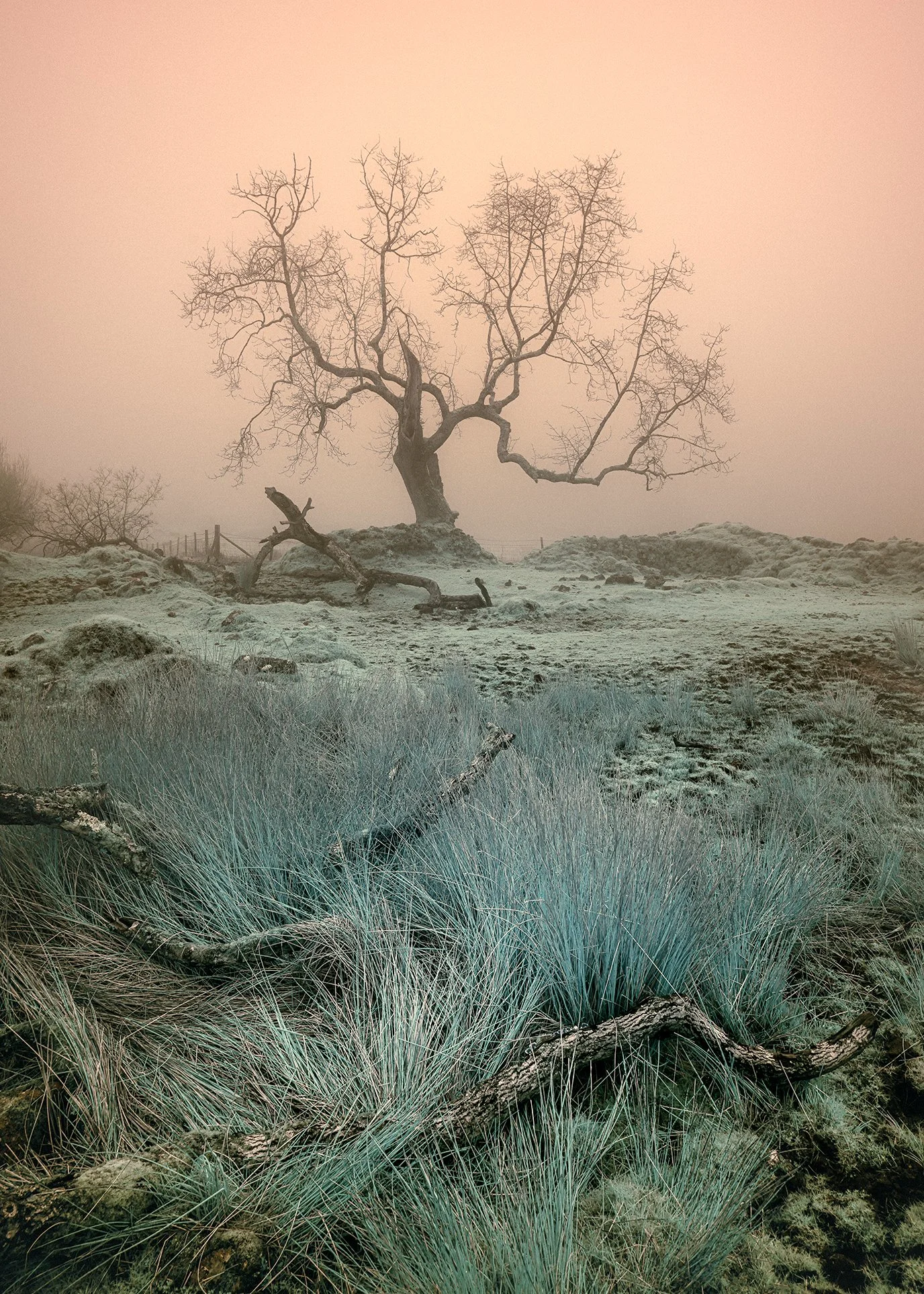
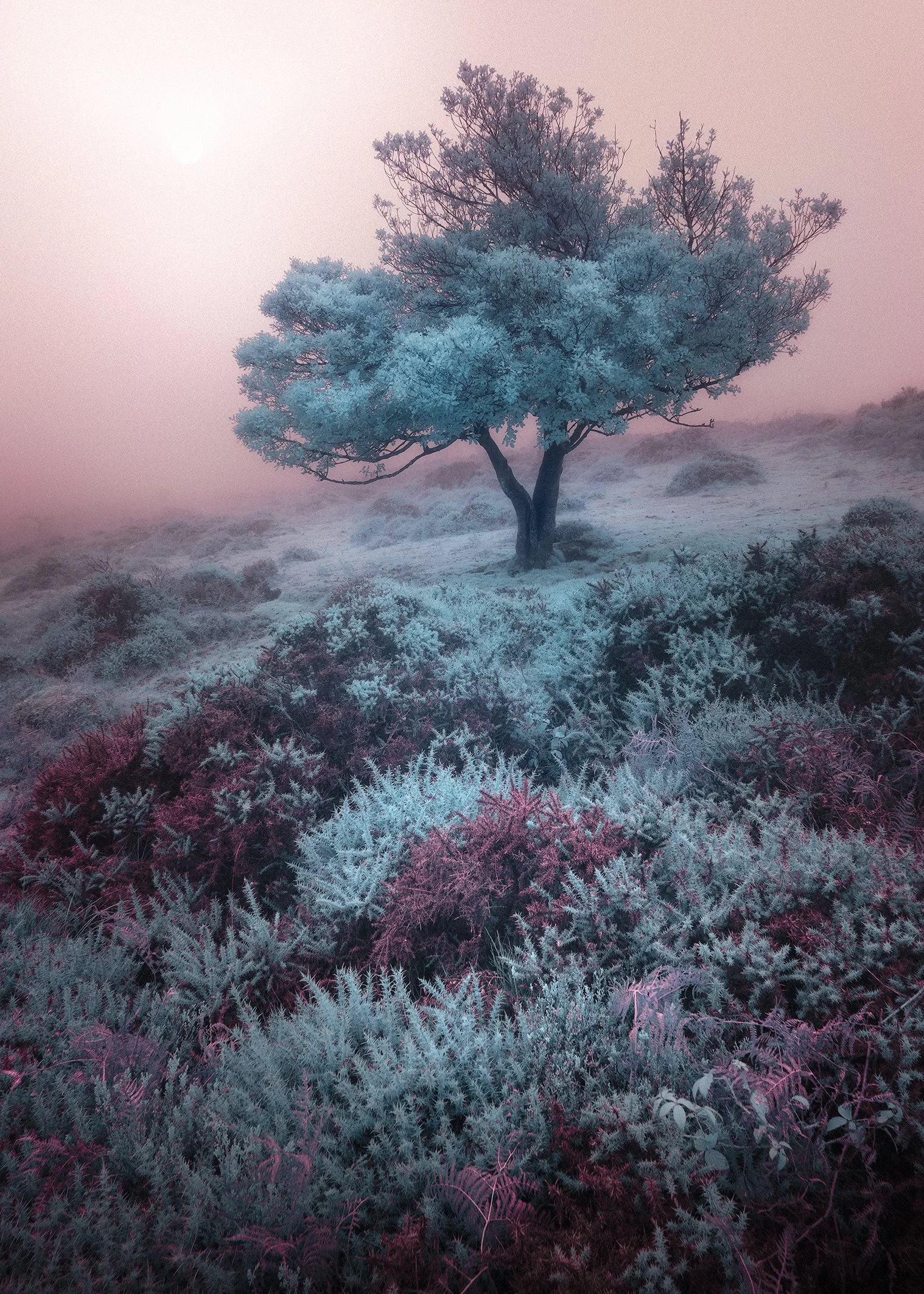
590nm Filter (no channel swap)

At the heart of serious IR photography is the full spectrum camera conversion. Most digital cameras come with an internal IR-cut filter that blocks infrared light to ensure accurate color reproduction in visible spectrum shots. A full spectrum conversion removes this filter, allowing the sensor to capture ultraviolet, visible, and infrared light all at once. This modification turns your camera into a versatile tool, but it requires external filters to isolate specific wavelengths for IR effects. I’ve had three conversions done professionally by Protech Photographic in the UK, and I can’t recommend them enough - their work is precise, reliable, and they’ve handled my gear with the utmost care. If you’re considering a conversion, use my discount code NEIL for 5% off at Protech Photographic. It’s a worthwhile investment that opens up endless possibilities without permanently altering your camera’s usability (you can always add a visible light filter to shoot normally).

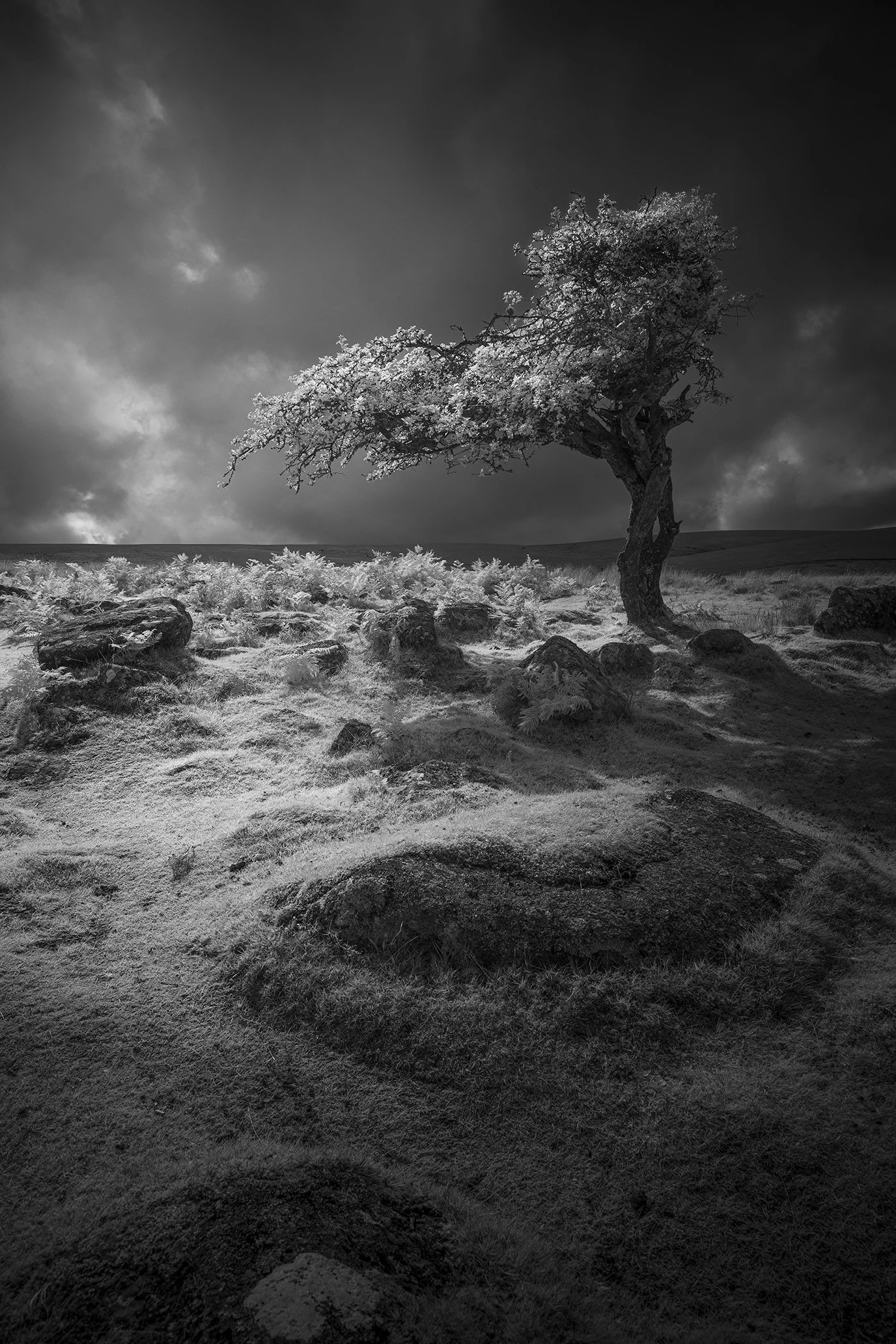
850nm Filter

Once your camera is converted, the real fun begins with wavelength-specific filters. A wide range of these filters, from standard to more exotic options, can be picked up quite cheaply on eBay - it’s a great way to experiment without breaking the bank. These screw-on or clip-in filters block visible light and allow only certain IR wavelengths through, each producing distinct looks:

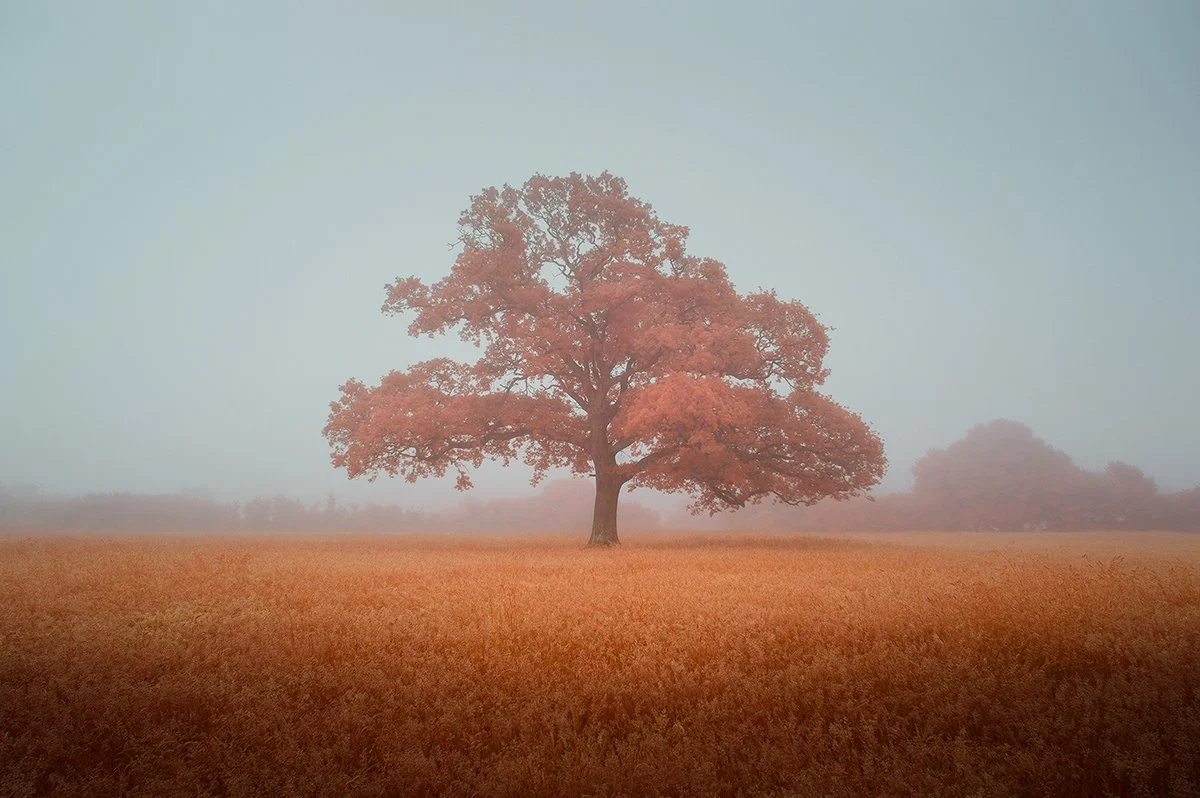
  • 590nm Filter: This is often called the “goldie” or “super color” filter because it lets in some visible red light along with IR, resulting in vibrant, colorful images with golden hues in foliage and blue skies that can turn cyan or purple after processing. It’s great for creative, painterly effects where you want a mix of colour and IR surrealism.

  • 720nm Filter: The standard for classic IR photography, this cuts off most visible light, delivering high-contrast results that often lend themselves to black-and-white conversions (though you can add false color in post). Trees and grass appear bright white against dark skies, perfect for ethereal landscapes.

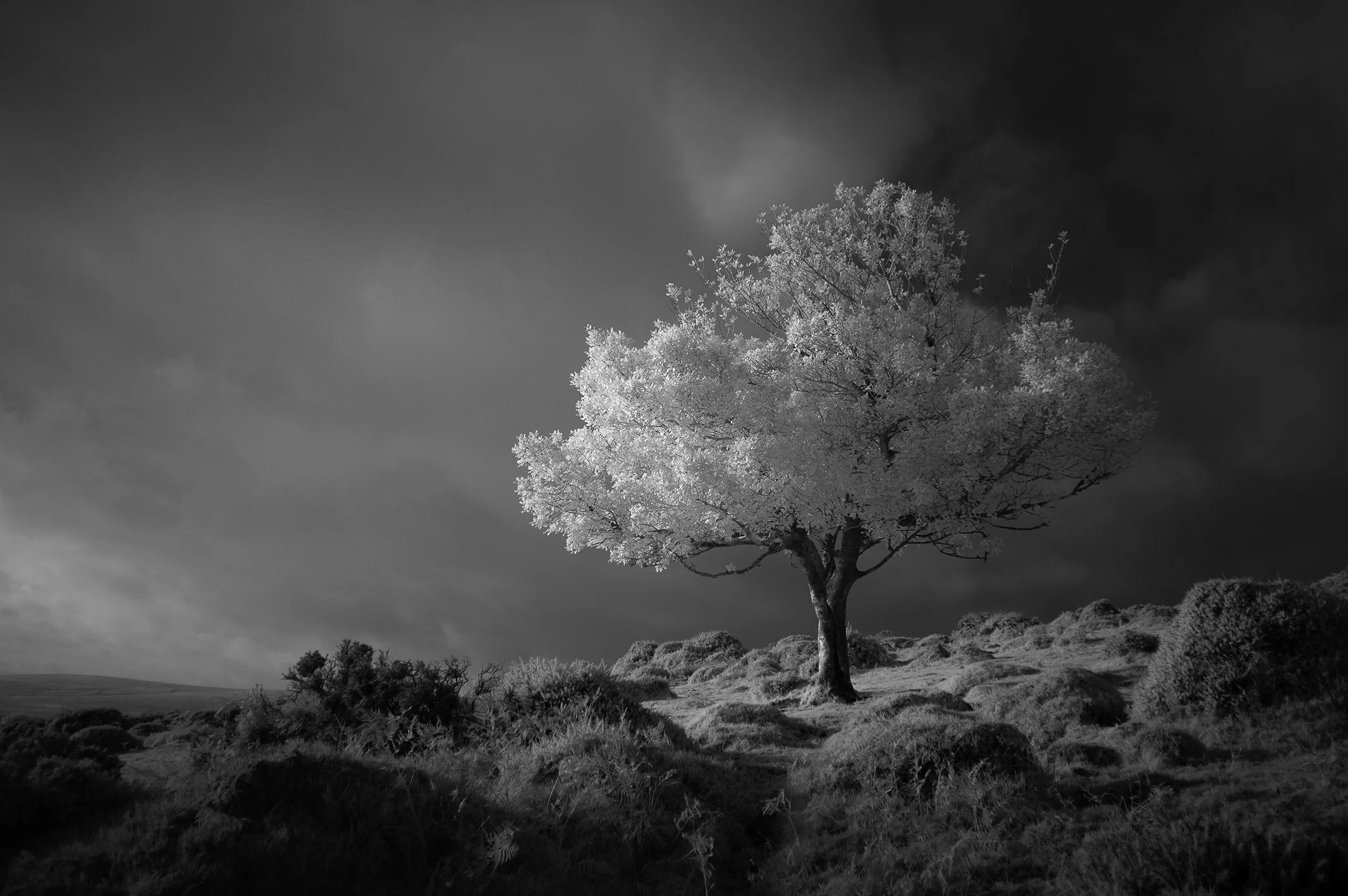
  • 850nm Filter: This deeper IR filter produces stark, high-contrast black-and-white landscapes with glowing white foliage and deep, almost black skies and water - ideal for dramatic, moody scenes where the surreal “Wood Effect” of bright leaves against dark backgrounds really shines.

Aerochrome Filter

And then there’s the Aerochrome filter, inspired by Kodak’s discontinued Aerochrome film used for aerial surveillance. This filter simulates the film’s false-colour effect, turning greens to magenta or pink, blues to cyan, and creating a psychedelic, vibrant palette. For the best Aerochrome filters, I turn to Kolari Vision - they offer high-quality options that pair perfectly with full spectrum cameras for that retro-futuristic vibe.

Fantasy - Winner of the B&W section in Landscape Photographer of the Year (850nm filter)

One important consideration when building your IR kit is lens compatibility. Some lenses suffer from “hotspots” - bright circles in the centre of the frame caused by internal reflections in IR light, especially when stopped down. To help avoid problematic lenses, check out the comprehensive Lens Hotspot Database from Kolari Vision, which is the world’s largest collection of tested lenses for IR performance.

I’ve been shooting with my full spectrum converted Nikon Z7 (converted back in 2021), and the results continue to inspire, capturing Dartmoor in ways that feel almost alien.

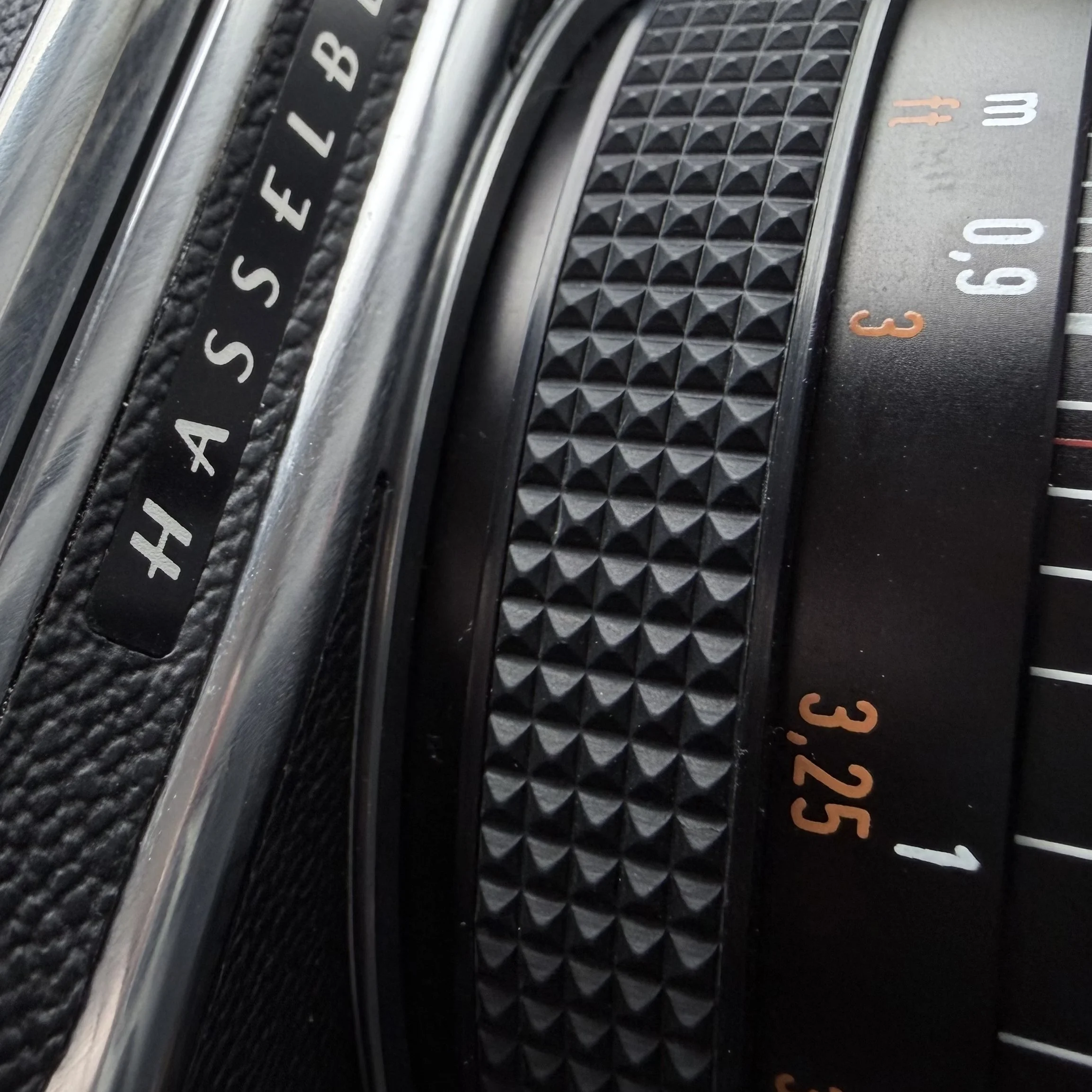
Looking ahead, I’m aiming to get my Hasselblad X1D II converted in the near future - its medium format sensor should take IR detail and dynamic range to another level, allowing for even larger prints with impeccable quality.

590nm Filter

Infrared photography isn’t just about the gear; it’s about embracing a new way of seeing. It adds layers to your creative process, from pre-visualizing how a scene will translate in IR to the excitement of post-processing channel swaps for false colors. A key part of this is setting a proper custom white balance or colour profile - especially for full spectrum setups - to get accurate starting points for your edits.

For inspiration, check out the stunning infrared work of Andy Lee, whose surreal landscapes (especially his Blue Iceland series) showcase the magic of IR, and Richard Mosse, known for his powerful use of Aerochrome-style false color in documentary projects like Infra.

Whether you’re using a 590nm for vibrant pops or an 850nm for stark black-and-white contrasts with glowing foliage, each filter unlocks unique storytelling potential.

If you’re intrigued, start with a conversion from Protech Photographic (don’t forget NEIL for 5% off) and pick up some affordable filters on eBay to experiment, or go for premium Aerochrome from Kolari Vision. The world looks different through IR - more magical, more mysterious - and it’s a creative journey I highly recommend.

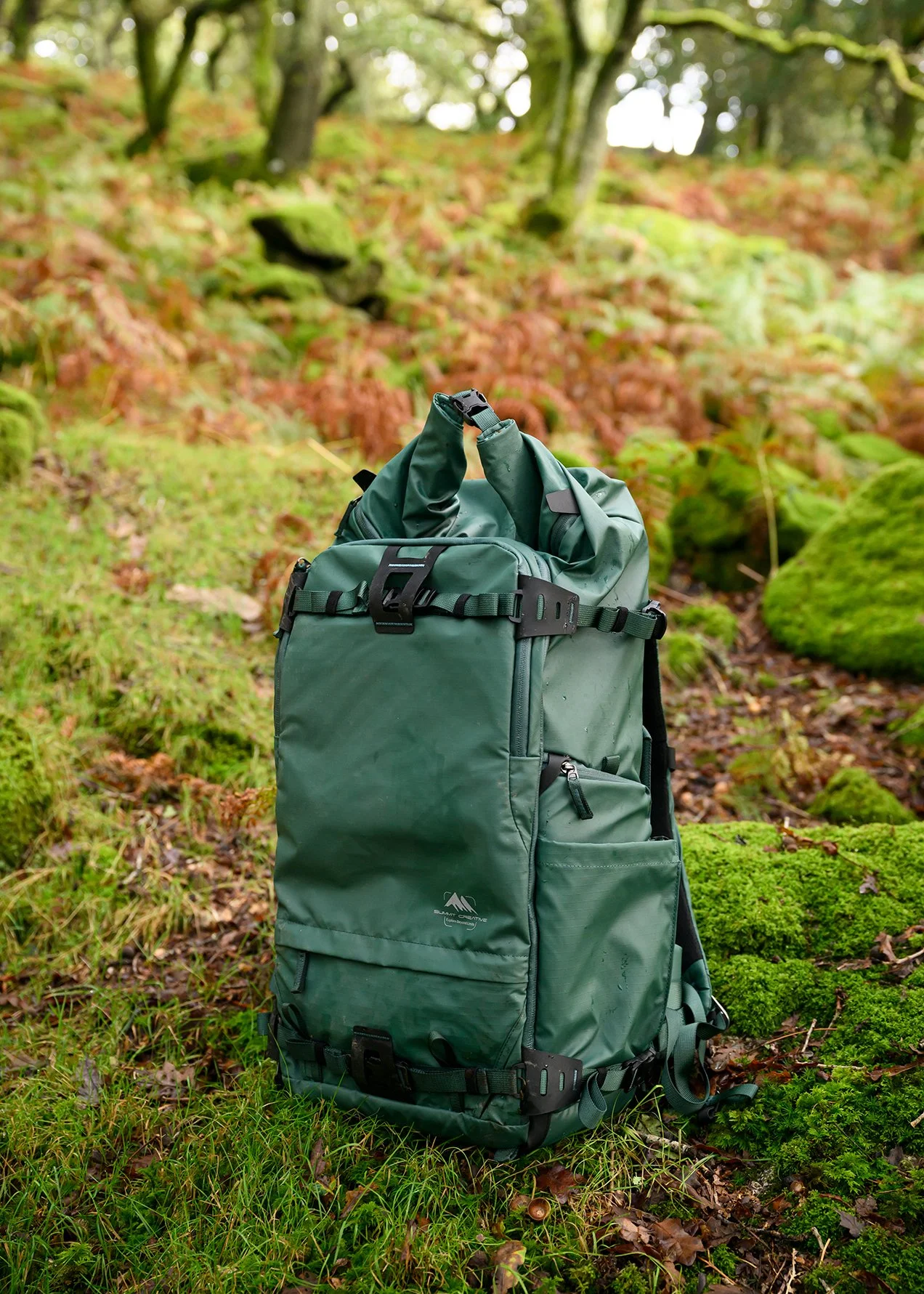
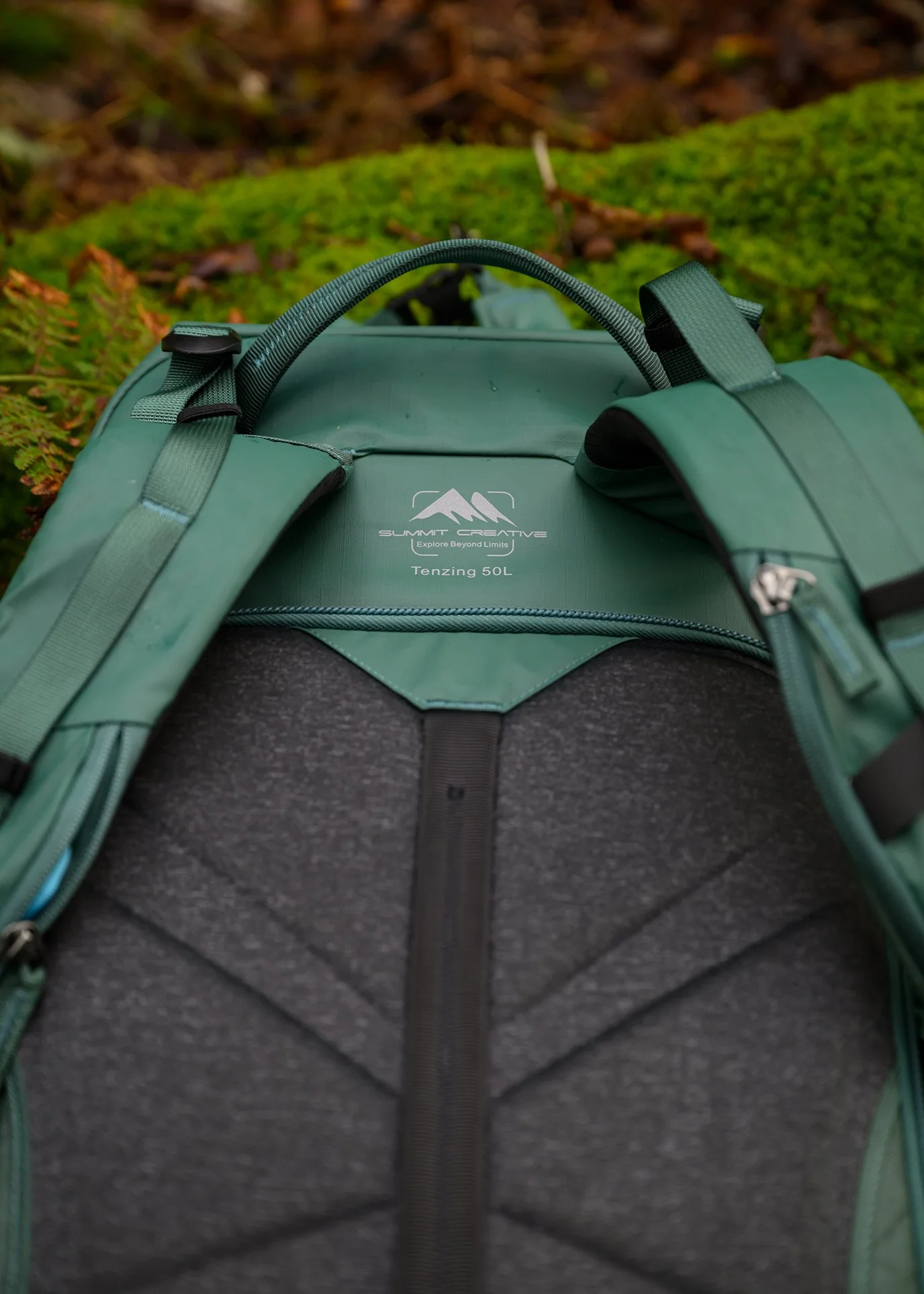
Summit Creative 40L - REVIEW

8 Months with the Summit Creative 40L: My Honest Review After Dartmoor Adventures

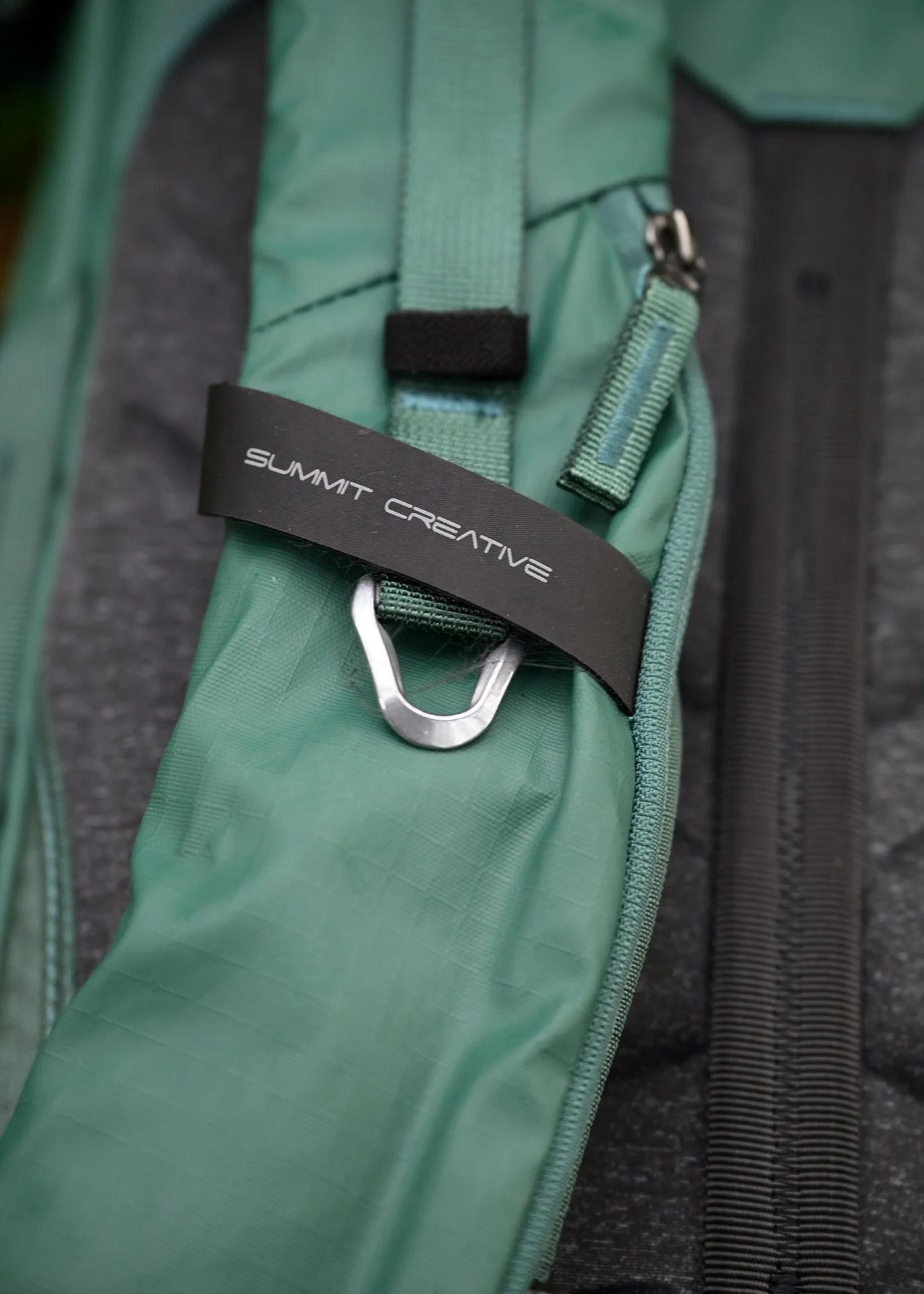
I’ve been using the Summit Creative 40L camera bag for the past eight months, and while it hasn’t been a daily carry, it’s had plenty of use on Dartmoor. Snow, heavy rain, boggy hikes, freezing winds, and the occasional sunny day — this bag has handled it all during my regular outings. Here’s my take on how it’s performed.

The Good Stuff

Build Quality & Materials
The bag is extremely well made. The outer fabric has a tough, shower-repellent finish similar to Shimoda bags — it shrugs off light to moderate rain with ease and holds up nicely even in heavier showers. The YKK zippers glide smoothly even when a bit muddy, and the stitching and seams show no signs of wear after all those miles across heather, granite, and bog.

Capacity
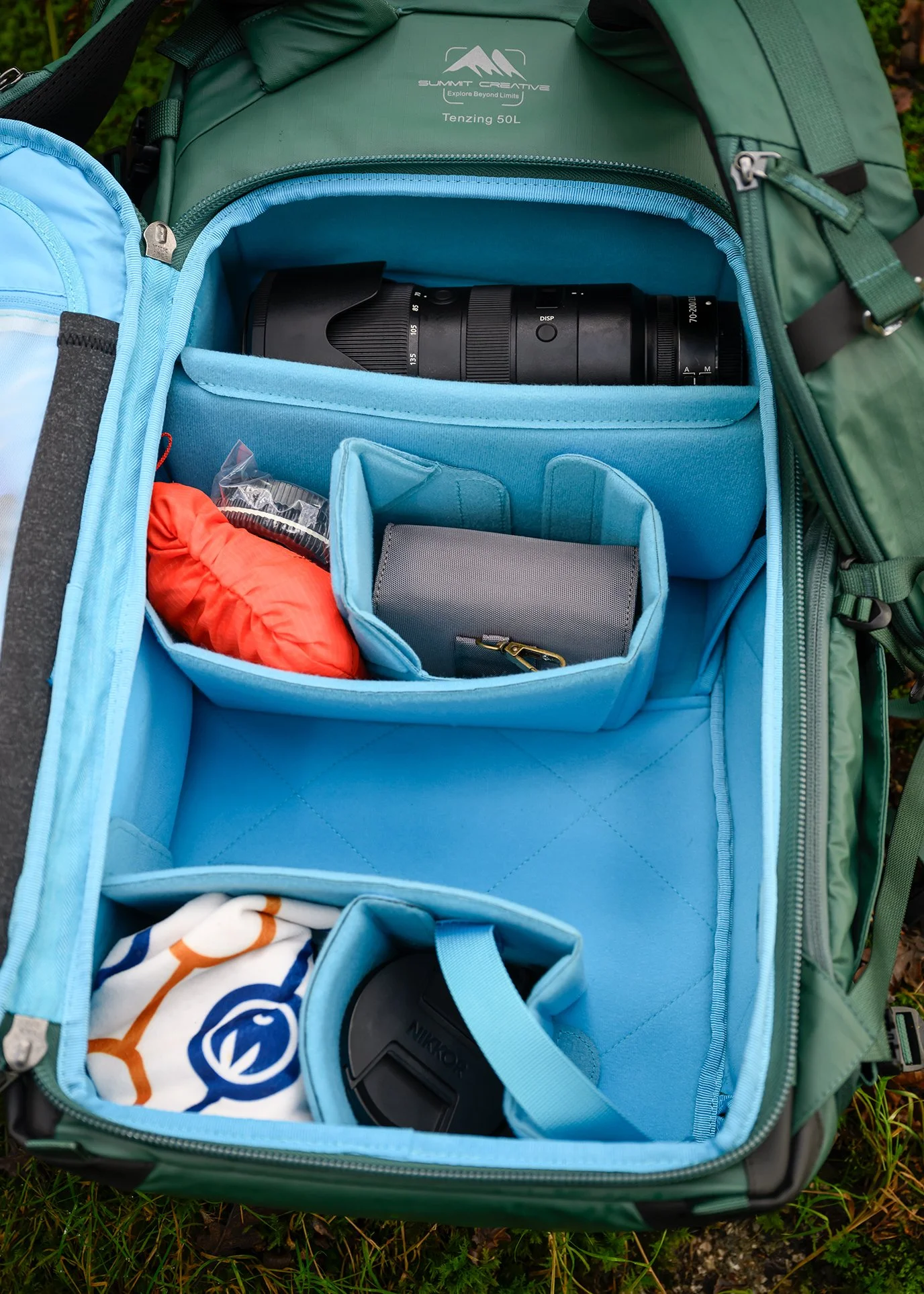
At 40L, it’s generously sized for a serious kit. My usual loadout includes:

  • Nikon Z8 and Z7 bodies

  • 70-200mm f/2.8, 24-70mm f/2.8, and often the 14-30mm f/4

  • Filters, batteries, charger, cleaning kit, and a small tripod

  • Sometimes a lightweight rain jacket and snacks

Everything fits comfortably with room to spare, and there’s even space for a 16-inch laptop sleeve if needed. The organisation is excellent: multiple access points, side pockets for water bottles, and plenty of configurable dividers to keep gear secure.

Comfort
This is one of the most comfortable camera bags I’ve used. The harness is superb — thick, padded shoulder straps, a wide waist belt that properly transfers weight, and a breathable back panel that stays comfortable even on humid or long days. I’ve carried it for 10+ hour hikes without any shoulder or back discomfort.

The Not-So-Good Stuff

Weather Resistance
The bag’s shower-repellent fabric performs really well in typical wet conditions, and it keeps gear dry in most situations. In truly torrential Dartmoor rain (the kind that soaks through a Gore-Tex jacket in 20 minutes), it will eventually let some water through without the supplied rain cover. For full weatherproofing, using the included rain cover is the way to go. Unfortunately, I’ve lost mine, so I’ve had to improvise. I’d love it if the rain cover was tethered with an elastic attachment like some Lowepro or PGYTECH designs — that would make it much harder to lose. Still, the cover does its job brilliantly when you have it.

Divider System
The bag uses configurable EVA foam dividers for most compartments, with just one metal divider (an aluminum frame element) for overall stability. It works well for keeping the bag rigid, but the metal divider can occasionally pop out when you’re moving quickly or reaching in at an awkward angle. Getting it back in is a bit fiddly. I’d personally prefer a lift-out tray system like Shimoda’s for even faster access, but it’s a minor inconvenience.

Pros & Cons

Pros

  • Extremely well made with durable, shower-repellent materials

  • Huge capacity — easily fits two bodies and multiple lenses

  • Outstanding comfort on long hikes

  • Excellent organisation with multiple access points

  • Good weather resistance with the rain cover

Cons

  • Requires the supplied rain cover for heavy, prolonged rain

  • Metal divider can be a little fiddly to reposition

  • Rain cover is separate (not tethered)

Final Thoughts

After eight months of use on Dartmoor, the Summit Creative 40L remains my favourite bag for most trips. It’s beautifully built, carries a huge amount of gear, and is incredibly comfortable — three things that matter most to me. The weather resistance is solid for everyday use, and with the rain cover in place, it handles wet conditions very well.

Would I buy it again? Absolutely. It’s a reliable, high-quality option that I’ll continue using for years to come. If you’re looking for a spacious, comfortable camera backpack that performs well in the outdoors, this one is definitely worth considering.

Solid, capable, and comfortable — highly recommended.

ONLINE STORE NOW LIVE

I’ve finally got round to setting up my online store where you can purchase prints directly. The store is set up to take orders by PayPal, Credit or Bank Card, and Apple Pay, there is also an option for worldwide shipping.

At the moment I am only offering a small selection of prints in the store, but this will continue to grow in time. I am also now selling Single Edition Prints, which you will see in the store. A few images in the Mystical series are single editions, so if you are looking for a unique one-off piece then these might be for you.

For a limited period, I am offering a 10% discount on any orders placed through the store with a value of £200 or more. Please use the code: PRINT10 at checkout to receive your discount.

CLICK HERE TO VISIT THE STORE

store.jpg

Also available through the store is the new butterfly print “Pearl”. Pearl was shot earlier this year and it’s certainly one of my favourite butterfly images to date. This print is limited to just 10 editions in various sizes and starts at just £175.

INSECTS-NEIL+BURNELL-PEARL.jpg

Neutral Density Filters

Kase Buyers Guide: Neutral Density Filters

Over the past 3 years, I have exclusively been using Kase Filters and have recently moved to their excellent new magnetic system. Kase filters are simply the best filter I have used, and I have tried quite a few over the years. If you are interested in purchasing filters for yourself I can now offer a 5% discount code, please follow the link HTTPS://KASEFILTERS.COM/REF/NBURNELL/ and use the code: NEIL when purchasing.

If you’re just starting out in your filter journey, you will have come across a multitude of filters, so where do you begin? What stops do you need? Do you need graduated filters and what about variable density or filters for astrophotography? This ND Buying guide will help guide you through what is right for you and what to avoid.

Let’s start with fixed f-stop neutral density (ND) filters. Each ND filter will reduce the light reaching the camera sensor by a number of f-stops. The higher the f-stop, the less light is allowed to reach your camera sensor.

STILTS - 10-stop ND Filter

STILTS - 10-stop ND Filter

3-stop ND Filter

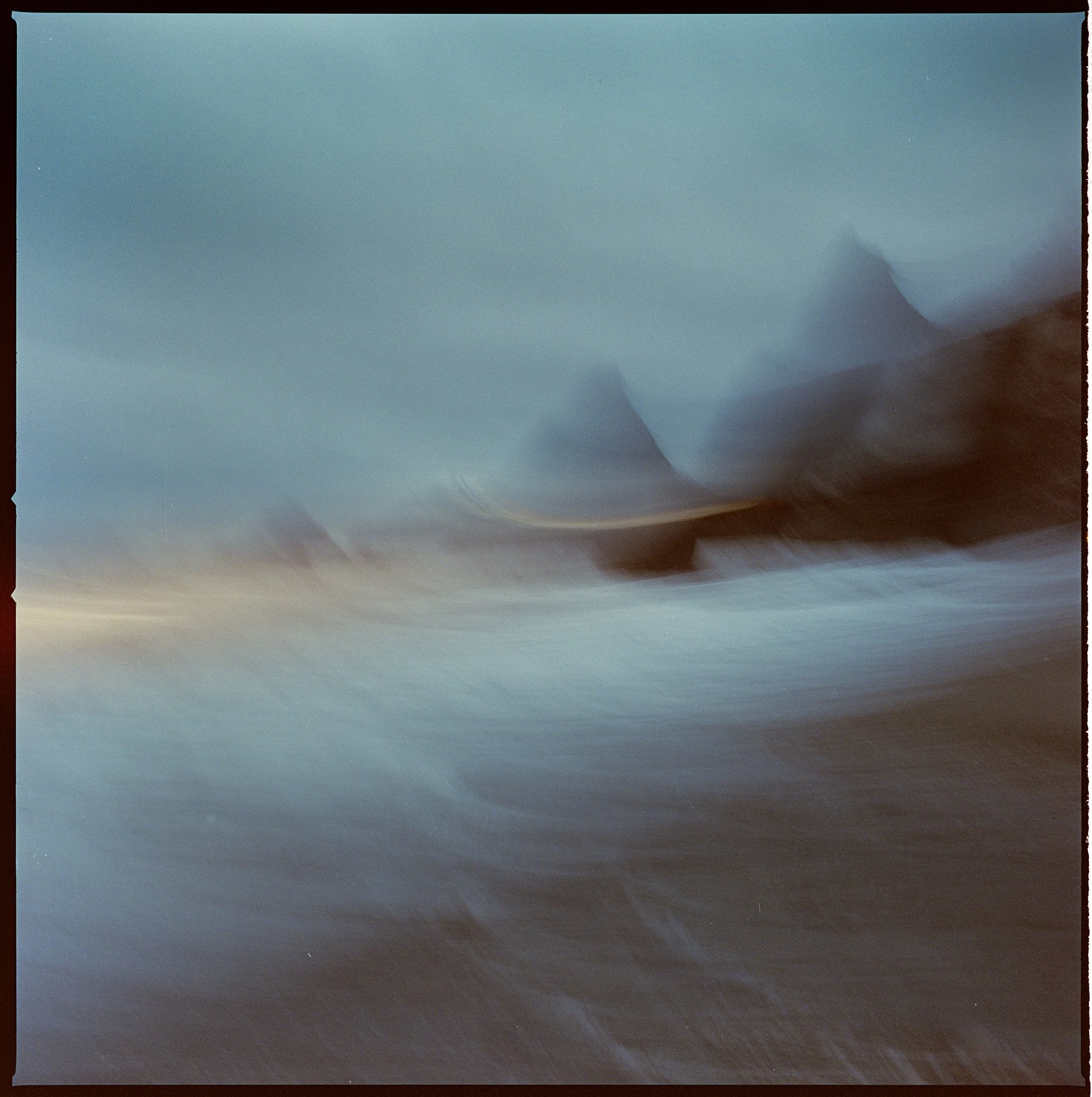
For landscape photographers, a 3-stop is often overlooked but can become very helpful around sunrise and sunset where you may not want a long exposure, to capture cloud definition and creating more impact in your photograph. A 10-stop is not particularly suited for sunrise and sunset as it often goes beyond the ideal exposure range and can result in exposure times that exceed the sunrise or sunset itself. I generally use a 3-stop ND to create movement within waves or sometimes to create ICM (Intentional Camera Movement) Images. Using the 3-stop ND will give you approximately one second exposure time in overcast or soft light at the beginning or end of the day.

ROLLING - 3-stop ND Filter

ROLLING - 3-stop ND Filter

6-stop ND Filter

The 6-stop ND filter is a landscape photographer's second best friend. Right next to the tripod. A 6-stop ND filter is great for anyone who wants to shoot long exposure sunrise or sunsets, waterfalls and capture moving water. It is without a doubt one of the most used and versatile fixed ND filters.

Most landscape photographers, if you asked them what one filter would you only carry into the field, would be the 6-stop ND. A 6-stop ND is an ideal filter for shooting waterfalls, cascading rivers and sunsets in the mountains, or even on the coast and urban environments where you want to reduce human movement from a composition.

If you primarily shoot landscapes and work in the outdoors then acquiring a 6 stop would be highly recommended.
Anyone looking to shoot coastal, urban environments, and abstract Black and White photographs, a 10-stop ND is the better choice, however, also consider shooting with a 6-stop at low ISO range 50-100 or stacking a 3-stop and 6-stop for great versatility.

REINFORCED - 6-stop ND Filter

REINFORCED - 6-stop ND Filter

10-stop ND Filter

The 10-stop ND filter is a must for anyone considering coastal long exposures or abstract Black & White or urban long exposures, especially in brighter light conditions. With a 10-stop ND filter, you can push exposure times beyond many cameras maximum standard shutter speeds which is typically 30-60 seconds depending on the brand and model of camera.

This means using remote shutters or Intervalometers you control shutter speeds as you will typically be working in minutes, not seconds, because of this you can achieve some dramatic results if the technique and composition are strong. In summary, the 10-stop ND filter isn’t suitable for sunrise or sunsets and often not the primary choice for many landscape photographers working in wooded or mountainous regions. More often is the prime choice for many coastal photographers, wishing to prolong exposure times and to achieve clean and minimalist compositions.

STILTS - 10-stop ND Filter

STILTS - 10-stop ND Filter

16-stop ND Filter

The 16-stop ND filter can be considered a specialist filter, this is used almost exclusively with landscape photographers wishing to achieve long exposure times resulting in ethereal cinematic images.

A 16-stop ND filter is almost exclusively used in coastal or urban environments to extended the shutter speeds into minutes and will require gradient filters to help control the balance of light across the composition. This choice of filter often requires more skills out of the camera, with the increased use of post-processing with programmes such as Adobe Photoshop to blend and stack exposures.

Some difficulties in this area of photography come from colour casting. Cheaper resin ND filters can impact the colour balance and result in unpleasing casting across the photograph. Using a premium filter, such as Kase’s Wolverine glass which has virtually no colour casting, makes your work visually more pleasing and means less work in post-production, fixing casting issues from filters.

For this reason, the 16 stop ND filter would be advised when you are confident in long exposure photography.

SILENCE - 16-stop ND Filter

SILENCE - 16-stop ND Filter

VISIT: HTTPS://KASEFILTERS.COM/REF/NBURNELL/

5% DISCOUNT CODE: NEIL


If you have any further questions regarding filters or my Long Exposure Workshops, please drop me a message using the contact me button below.

MYSTICAL

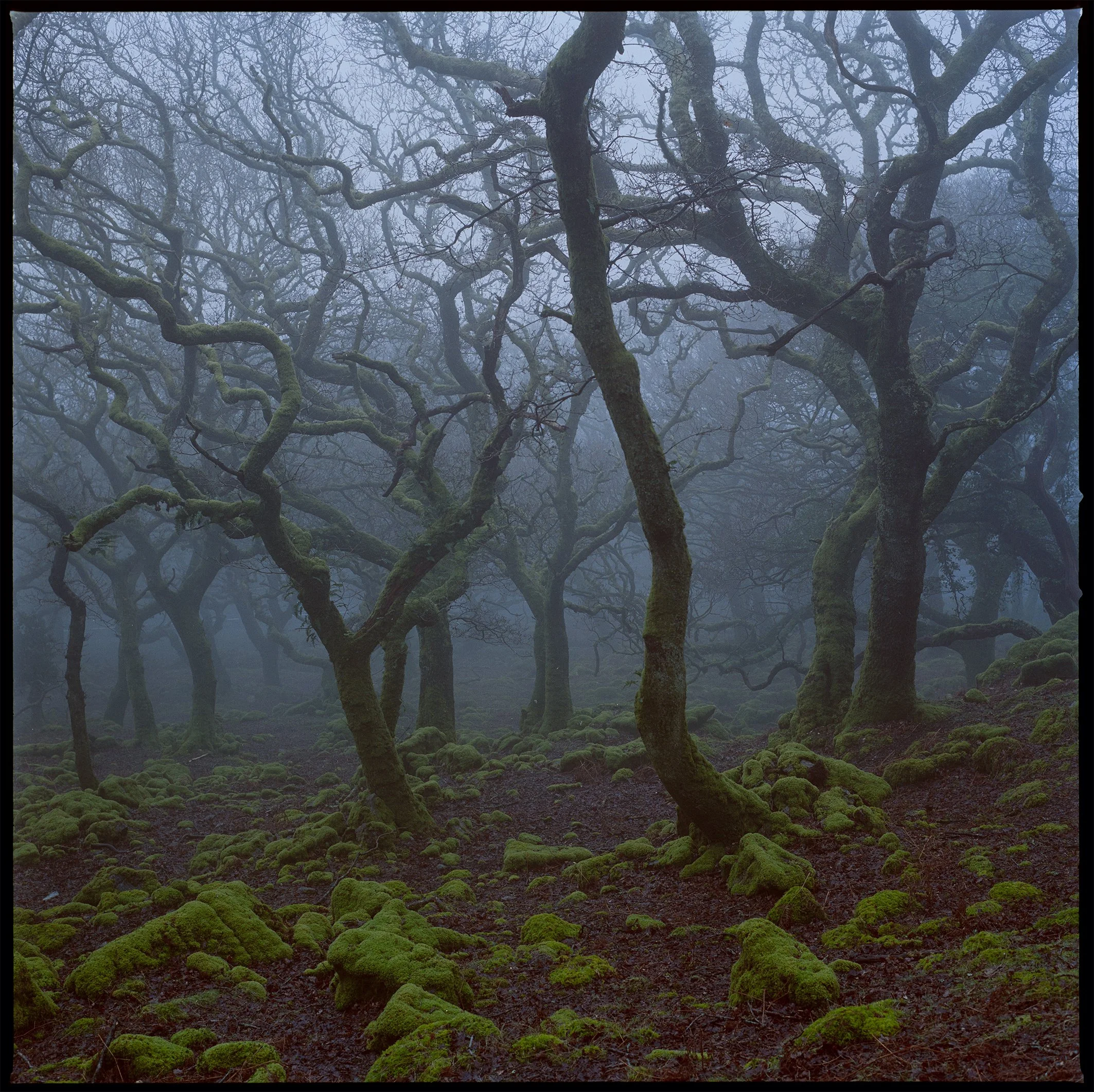
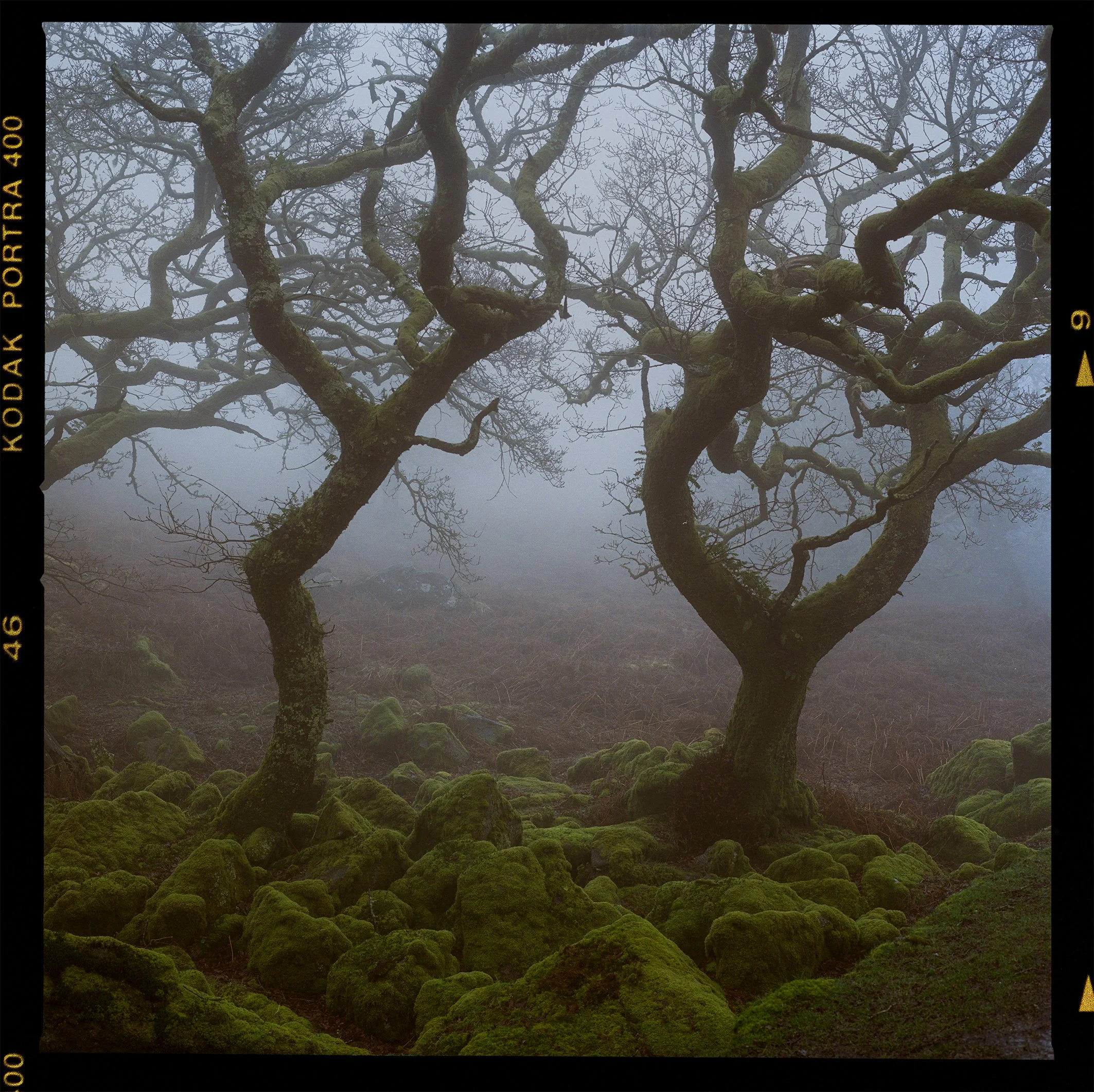
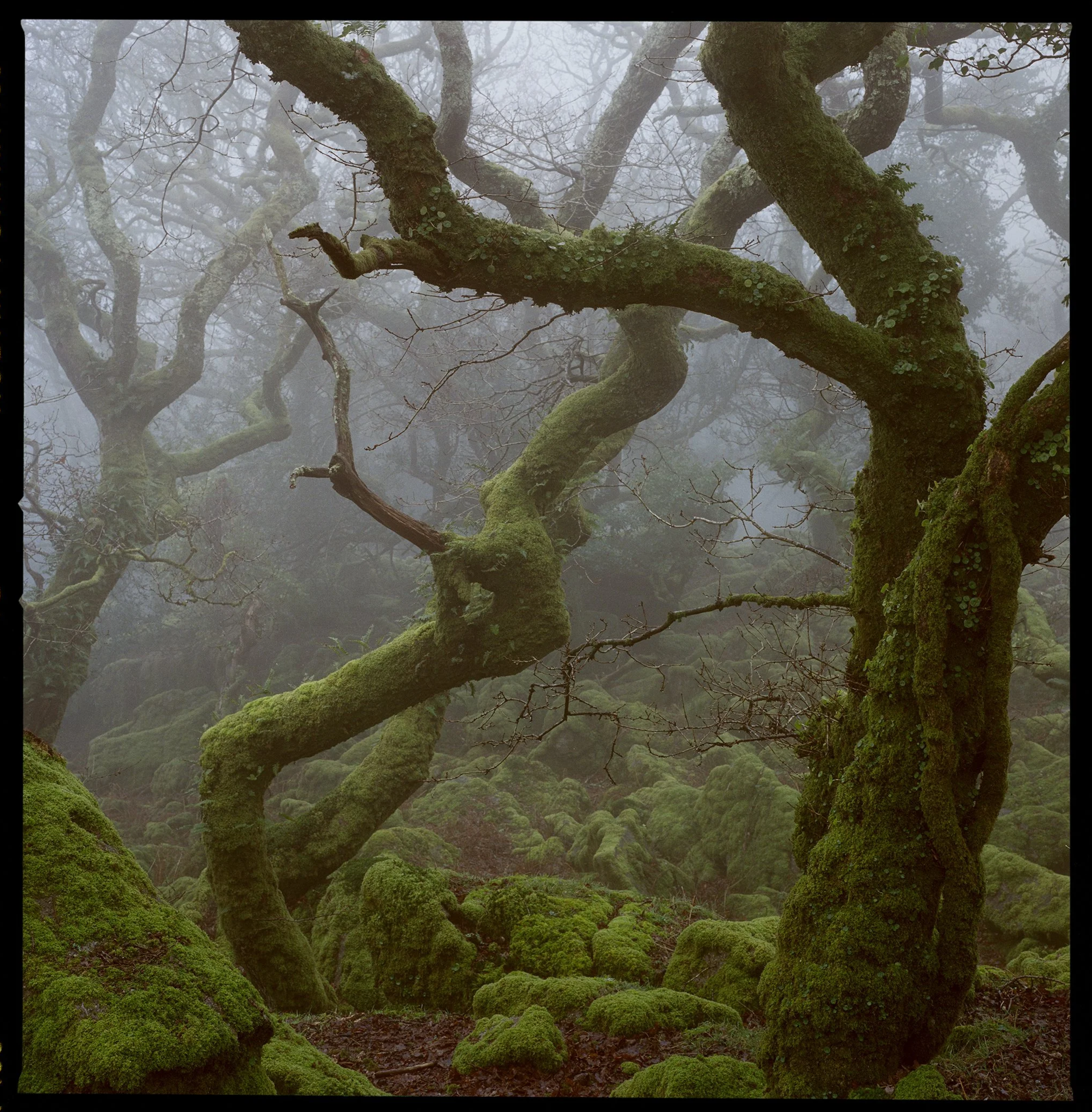
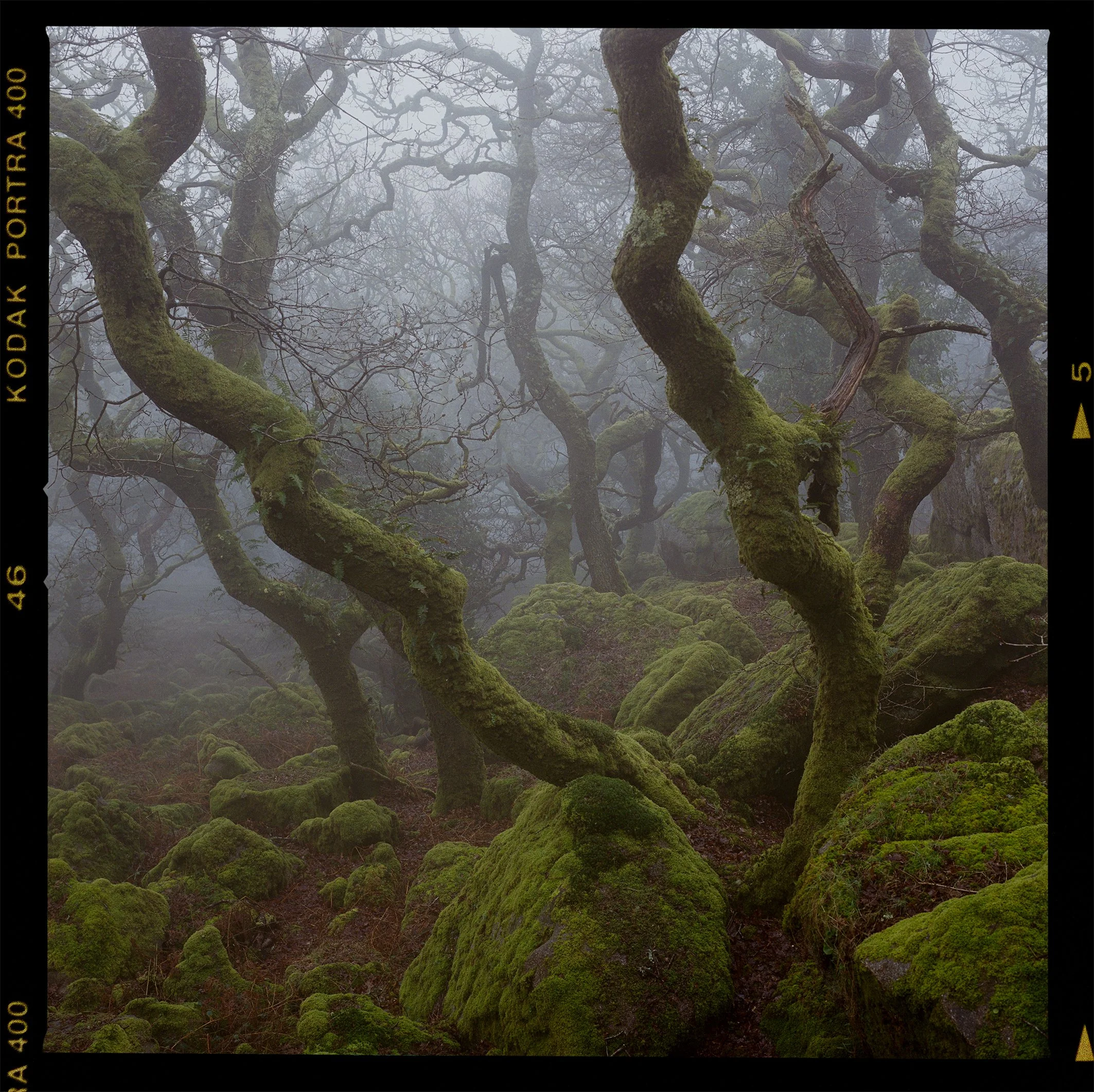
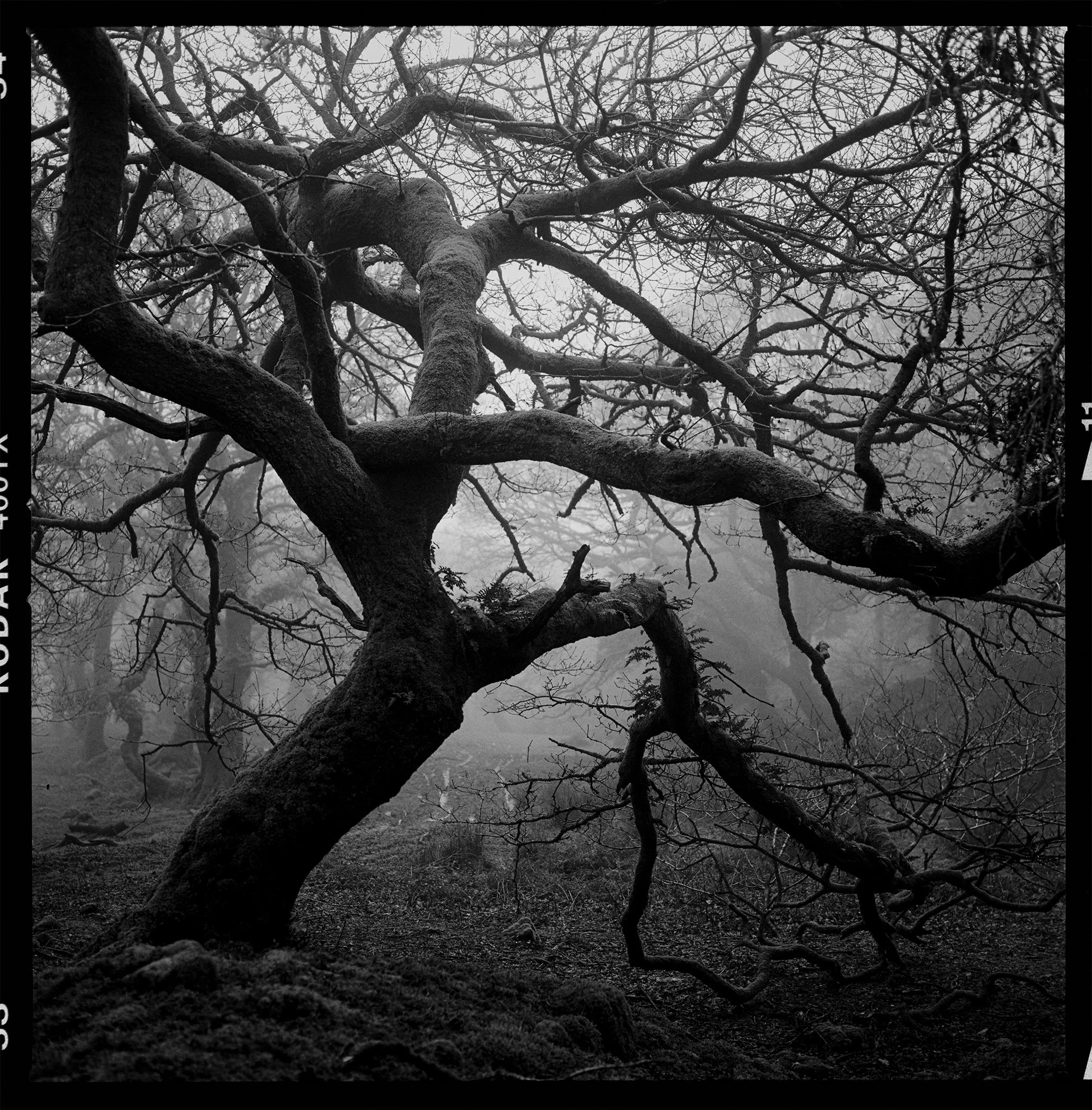
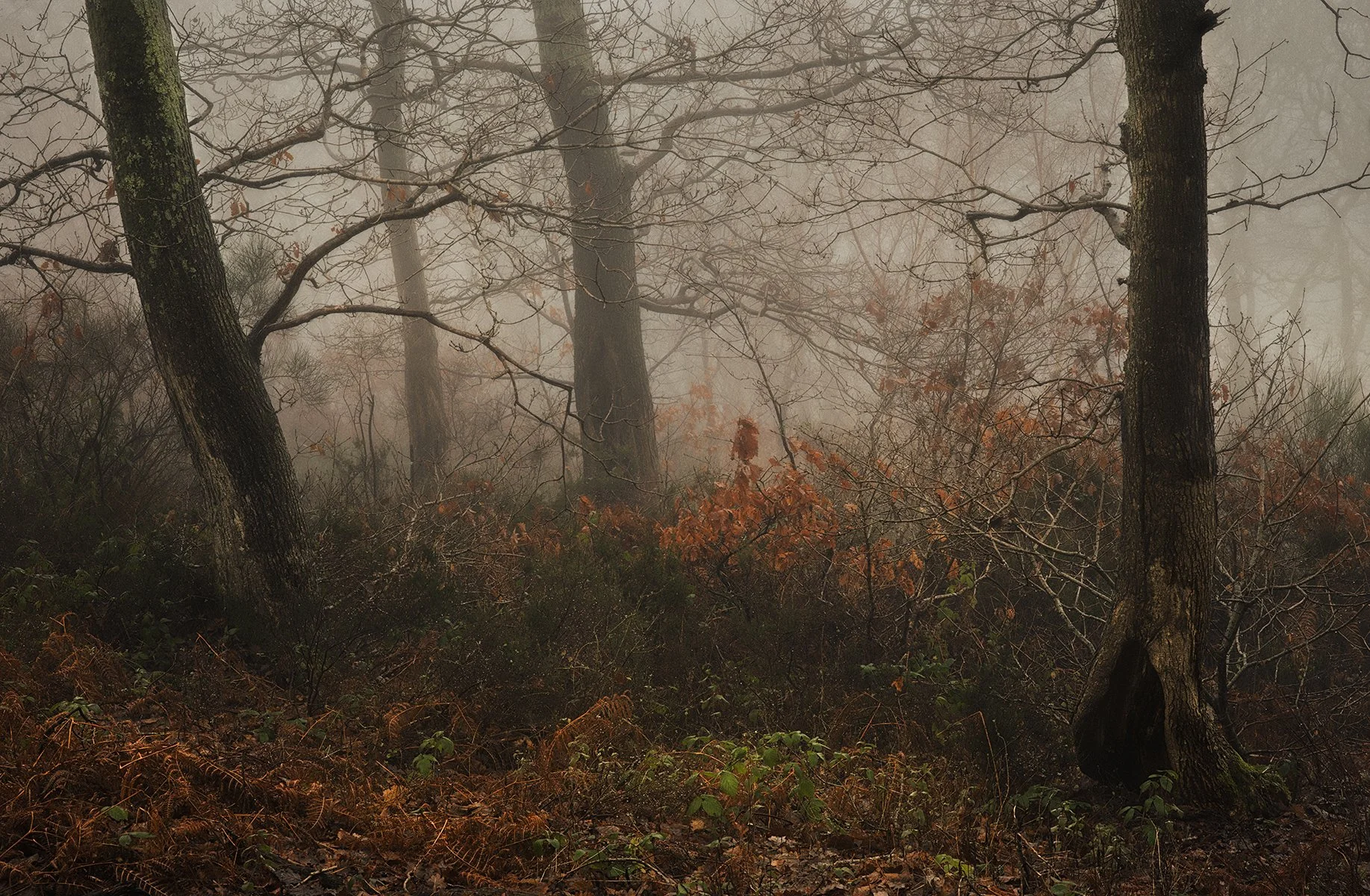
Mystical has been an ongoing photographic project from Wistman's Wood over the last 5 years. This series takes a look at the fairytale-like atmosphere created by the thick fog, gnarled trees, and moss-covered stones of Wistman's Wood in Dartmoor, Devon, England. 

Regular visits over the past few years have enabled me to explore ever corner of the woodland and access areas rarely seen. I’ve also slowly adapted my shooting and processing style to a stage where I’m now happy to exhibit the latest images in the series. Exhibiting this series was always the end goal for me and I’m now proud to be able to do so with Taylor Jones & Son.

You can now view the 12 selected images in the latest Mystical series on this site in the Gallery section.

Please contact: info@neilburnell.com for print enquiries.

RETURN
GLIMMER
TREMOR